ServicesRoof Inspections
Roof Inspections in Beech Grove
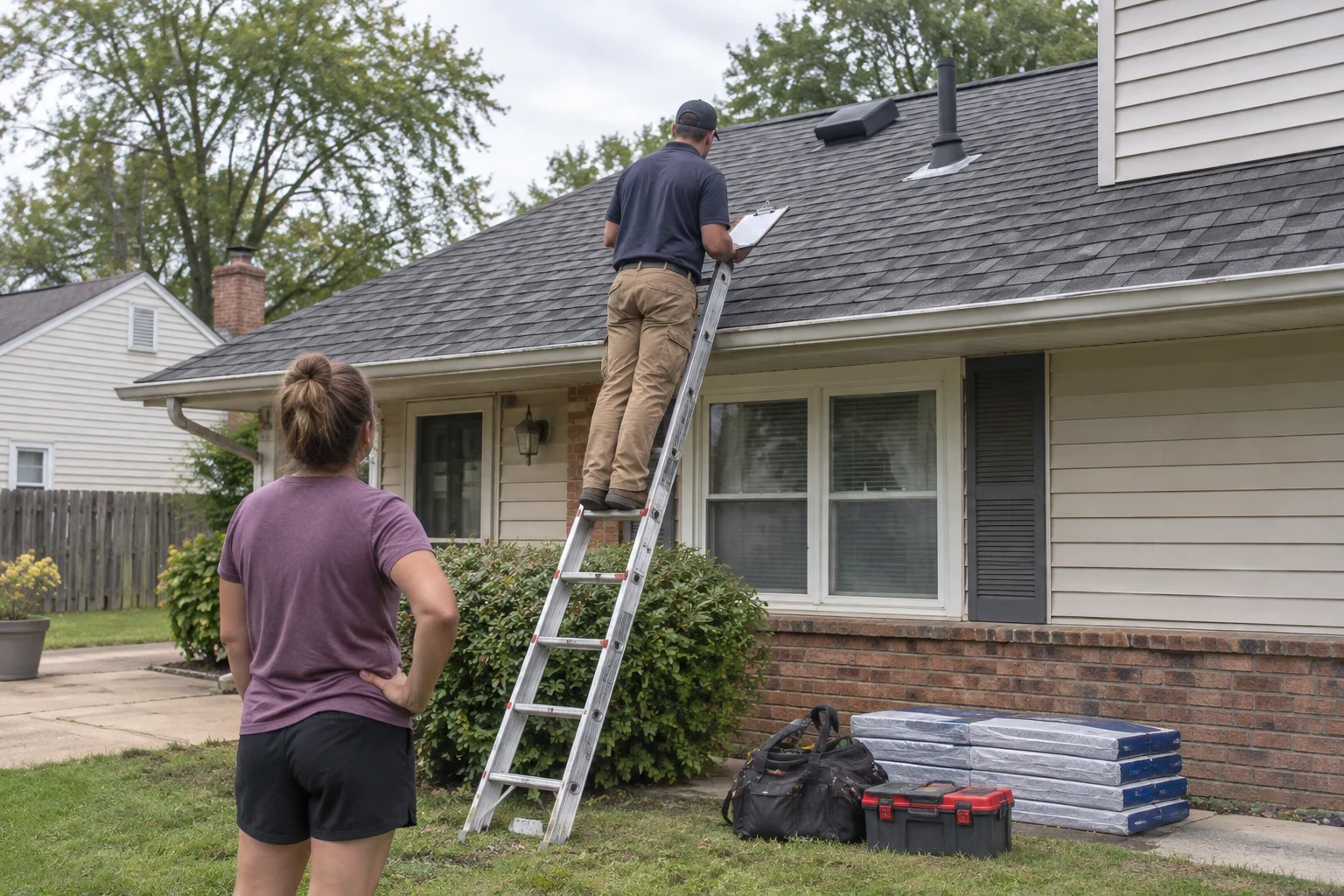
We look over your shingles, flashing, vents and gutters, and check the attic if you'd like us to. Afterward you see photos of everything we noticed and get a straight answer, including when there is nothing to fix. Your yard stays as tidy as we found it.
Know what your roof needs before you pay for anything
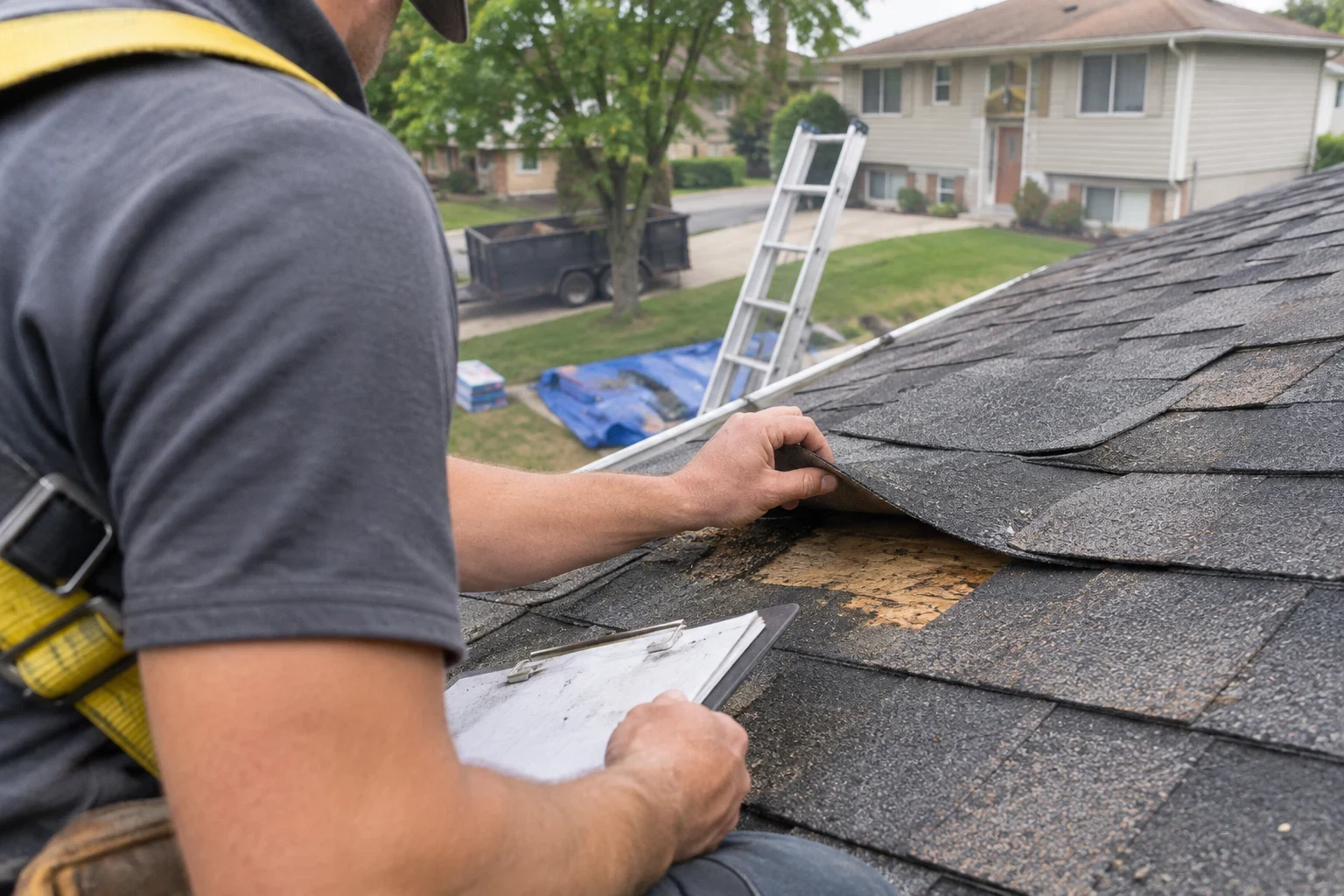
Leaks rarely start big. One raised shingle, a split pipe boot or a small flashing gap can let water seep in quietly for a whole season before a ceiling stain gives it away. An inspection catches those weak spots while the fix is still small.
After 14 years of roofing, our method is straightforward. We check the whole roof, photograph what matters and explain it in everyday language. When a modest roof repair will keep your roof going for years, you will hear that from us. When the roof is close to worn out, we show you why, so you can plan a roof replacement when it suits you rather than after water comes through.
We are careful with your home on every visit. Ladders rest on protected spots, we keep clear of flower beds, and any debris that comes down from the roof gets picked up before we go.
What a roof inspection covers
- Roof surface
- We check for shingles that are missing, curling, cracked or blistered, and for patches where the granules have worn off. On metal and TPO roofs we look closely at seams, fasteners and the membrane for splits or lifted edges.
- Flashing, vents and pipe boots
- Leaks usually start where something pokes through the roof, like a chimney, skylight or plumbing vent. We confirm the flashing is still tight and that rubber pipe boots have not hardened and split.
- Gutters and runoff
- Sagging, clogged or loose gutters let water sit at the roof edge. Over time that rots the decking, and in an Indiana winter it helps ice dams form.
- Attic and decking
- If you say yes, we head into the attic to check for stains, damp insulation, light showing through the boards and signs of weak ventilation. Any spongy decking tells us a lot about the shingles above it.
- Photos and a plain-language summary
- Every issue we find is photographed and explained without jargon. We group them by urgency: fix soon, keep an eye on, or in good shape.
When it makes sense to book an inspection
After a strong storm
Hail and wind can damage shingles in ways you can't see from the driveway. Having the roof checked soon afterward gives you dated photos in case you decide to file a claim.
Water marks inside
A brownish ring on a ceiling usually means water has been sneaking in for some time. We follow it back to where it starts, which is often a few feet away from the stain.
Grit collecting in the gutters
Aging shingles shed their granules. A thick layer in the gutters or at the bottom of the downspouts is a sign the roof is wearing down.
An asphalt roof past 15 years
Older shingle roofs are worth checking every year or two, especially after a winter of repeated freezing and thawing.
A home sale on the horizon
Buyers and sellers both benefit from knowing the roof's true condition early. It gives you solid ground in negotiations and fewer surprises after closing.
How your inspection visit goes
- 1
A quick call to set it up
Tell us what caught your eye, or just that you'd like a checkup, and we find a time that works for you. You don't need to be home while we're on the roof, but we'd like you around if we head into the attic.
- 2
Checking the roof itself
Our ladders have padded feet and rest against sturdy points, never on flower beds or weak gutters. On a steep or fragile roof, we pick the safest vantage point rather than walking every section.
- 3
A look in the attic
Drop cloths go down along the route to your attic opening, and we wear shoe covers inside. Anything we move to get through goes right back where it was.
- 4
Reviewing the results with you
Before we leave, we go through the photos with you side by side. You get a written summary, and if repairs make sense, an itemized estimate to review on your own time.
What shapes the price of any work we recommend
There is no charge for the inspection. If we spot something worth fixing, the estimate comes down to what is actually wrong and how hard it is to reach. Every item is listed on its own line, so you know exactly what each fix costs and can decide which ones come first.
- Roof size and pitch
- A tall or steep roof needs more safety gear and slower, more careful work, and that shows up in the labor.
- What sits under the shingles
- Soft decking or worn underlayment stays hidden until the surface comes off. During the inspection we flag the areas where we suspect trouble, so a later change in scope does not catch you off guard.
- The roofing material you have
- Blending in an older shingle, fixing a metal panel and patching a TPO membrane each take their own materials and methods.
- Whether insurance is involved
- If storm damage is covered, your claim may lower what comes out of your pocket. We work with homeowners and insurance companies on storm damage claims and will walk you through how that usually unfolds.
Questions about roof inspections
Something not covered here? (317) 516-6499
Is the inspection actually free?
Yes. The visit, the photos and the written summary cost you nothing. Hiring us for any of the work we suggest is entirely your choice.
Are you going to push me toward a new roof?
No. If your roof needs a couple of repairs or nothing at all, that is what we tell you. Straight answers are how we earned our A+ BBB rating, and the photos let you see the problem for yourself.
How long does the visit take?
Most visits wrap up in about an hour. Larger homes, steeper slopes or a look inside the attic can stretch that somewhat. Tell us a little about your home when you call and we can give you a better idea.
Will the inspection help if I file an insurance claim?
Often, yes. Dated photos of hail or wind damage give the adjuster something concrete to review. The adjuster makes the coverage decisions, but we are glad to walk you through our findings and the usual steps of a claim.
What happens if you find a problem?
We show you the photos, explain what is going on and give you a written estimate. You can schedule roof repair or replacement with us, take time to think it over, or ask about financing if spreading out the cost would help.
Find out where your roof stands
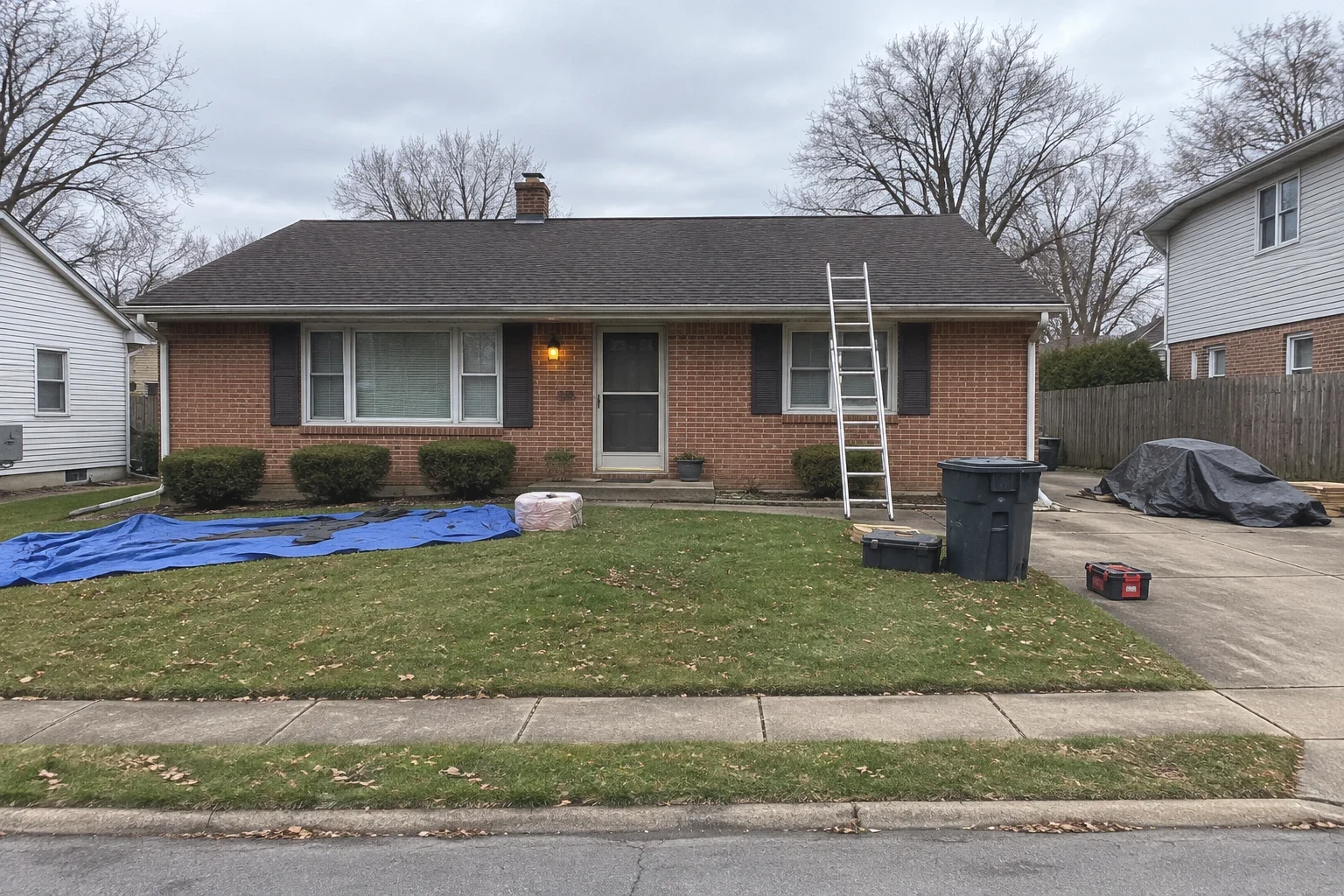
A free inspection gives you photos, a plain explanation and no pressure. We will leave your yard just as we found it.